As summer arrives in full swing, all types of heating devices enter their idle period. Improper storage and neglect can easily lead to equipment malfunctions and increased energy consumption. Proper summer maintenance not only extends their service life but also eliminates potential safety hazards.
1. Thorough Cleaning to Prevent Mold Growth
After using the heating film, first wipe the surface with a dry cloth or dust brush to remove dust and debris, then carefully check the film for scratches, peeling edges or damage. For stains, gently wipe with a well-wrung damp cloth, and store only after it is completely air-dried in a ventilated area. Never wash with water, expose to direct sunlight, or touch with sharp objects, to avoid surface damage that may cause malfunctions.
For underfloor heating cables: Simply clean the gaps between floor tiles and maintain good indoor ventilation.
For underfloor heating cables: Simply clean the gaps between floor tiles and maintain good indoor ventilation.
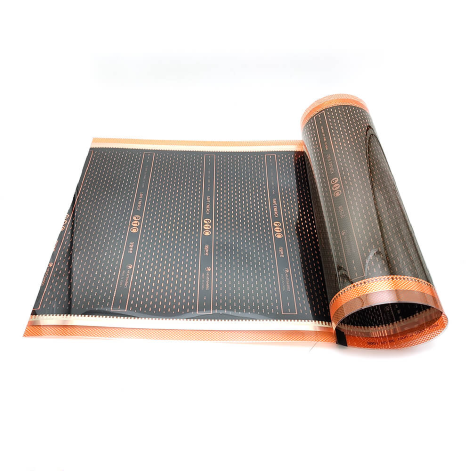
2. Proper Storage to Avoid Physical Damage
Heating mats are best stored flat. If folding is necessary, fold loosely and avoid heavy pressure or tight bundling.
Heating films should be rolled up (not folded tightly) with a generous diameter to prevent internal wire breakage, and kept away from sharp objects.
Organize power cords neatly without sharp bends, and cover plugs with dust caps to prevent oxidation.
Heating films should be rolled up (not folded tightly) with a generous diameter to prevent internal wire breakage, and kept away from sharp objects.
Organize power cords neatly without sharp bends, and cover plugs with dust caps to prevent oxidation.
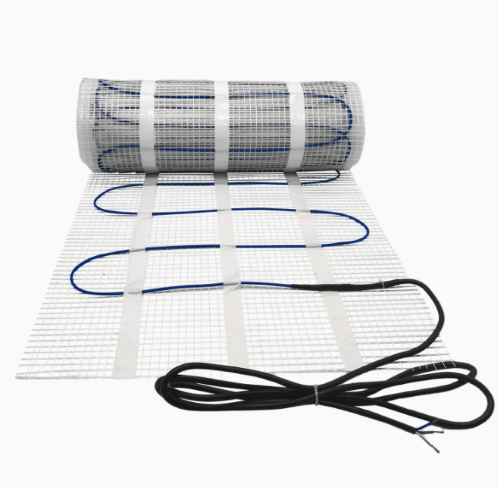
3. Targeted Moisture Protection
When storing portable heating devices, place desiccants in the storage cabinet and keep them away from damp areas like bathrooms and balconies.
Underfloor heating systems do not need to be completely powered off. During humid weather, set the thermostat to a low standby mode (around 10°C) to run intermittently—this dispels underground moisture, protects cables and insulation layers, and prevents floor warping.
Outdoor or semi-outdoor devices must be protected from rain and direct sunlight to avoid accelerated aging of casings and insulation.
Underfloor heating systems do not need to be completely powered off. During humid weather, set the thermostat to a low standby mode (around 10°C) to run intermittently—this dispels underground moisture, protects cables and insulation layers, and prevents floor warping.
Outdoor or semi-outdoor devices must be protected from rain and direct sunlight to avoid accelerated aging of casings and insulation.
4. Regular Inspections to Prevent Hazards
Check your devices every two weeks. Look for signs of moisture, damaged wires, or rodent bites. Address any issues promptly rather than waiting until winter when you need them urgently.
Careful summer maintenance ensures worry-free warmth in winter. If you have any questions about device care or troubleshooting, feel free to contact us anytime.