Take you back to the history of terminal crimping

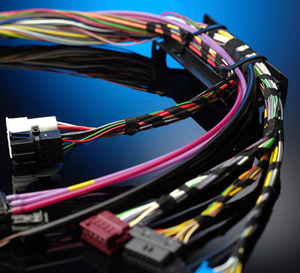
Electrical conductors have been used to transmit signals throughout aircraft since the dawn of flight and early propulsion systems. As air travel evolves, so do the requirements for the wiring harnesses and connectors used in these systems.


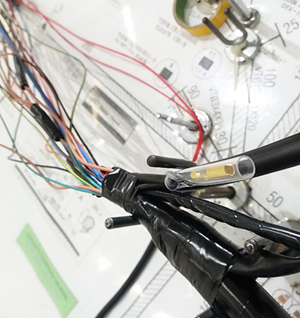
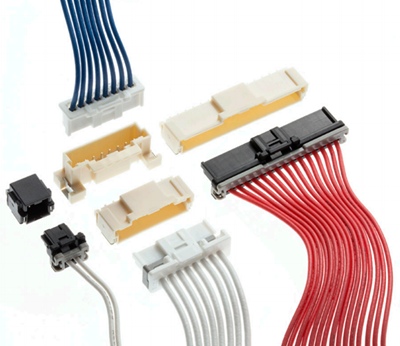
With the rapid progress in automobiles, aerospace, medical equipment, industrial equipment and other fields, the requirements for electrical systems are becoming higher and higher. The increasing number of electrical components and functions integrated into modern devices has resulted in a significant increase in the number and type of wires and cables in wiring harnesses. This complex wiring requires connectors, terminals, wires, fiber optics and other technology that requires precision tools.


timeline

In the 1940s all terminals were soldered

1953 AMP introduces crimp barrel terminals

1957 Cannon brothers experiment with machined terminals with crimp barrels

1960 Buchanan introduces 4-notch crimp tool with ratchet (Ref. MS3191)

1961 Boeing adopts Minuteman program’s ML-C-26500 standard

1963 MS3191-1 is released as the first crimp tool standard

In 1965 Daniels Manufacturing introduced the MS3191-4.

1969 MIL-T-22520 published and dated, superseding all previous specifications

1974 Changed to MlL-C-22520, added slash table

1996 Changed to MIL-DTL-22520

2016 to present Completed SAE AS22520 changes


Crimping: Then and Now

The first multi-pin connectors were terminated by soldering conductors to non-removable terminals. However, high temperature applications and the need for simple and reliable field service led to the introduction of connectors with removable terminals. They are crimped to the conductors rather than soldered.

The first standard crimping tools for crimping these new terminals were introduced in the early sixties. MS3191-1 is a military drawing that defines the tool and its accessories.

The MS3191-1 features a four-indentation crimp pattern and a positive stop positioner that controls indenter travel (crimp depth).

The MS3191-1 design is a compromise between operational simplicity and crimp performance because the crimp depth of any given terminal cannot be adjusted to accommodate the different diameters of the conductors being crimped. However, it fits the crimp connectors of that era. An improved tool design with independently adjustable crimp depth was soon introduced as the MS3191-4.

The MS3191-4 features internal adjustments that are completely independent of the positioner, allowing selection of seven independent crimp depths, allowing for optimal crimping of conductors ranging from AWG 12 to 26, regardless of the contact’s barrel size . MS3191-4 also introduces the use of a dual-ended indenter to produce eight indentation crimp patterns that consistently achieve superior tensile break values and mechanical properties.

The MS3191-4 introduces the concept of a turret head containing three positioners that can be used without the need to separate any one of the positioners from the base crimp tool.


In 1969, military specifications for two crimping tools were developed to replace existing military drawings. They are MIL-T-22520C (Navy) and MIL-T-83724 (U.S. Air Force), which define standard size crimp tools similar to MS3191-4, but with an expanded eight-step crimp depth range. These specifications also define a micro crimp tool for crimping conductors as small as AWG 32. The two documents were merged into MIL-C-22520D in 1971. All previous military standards for crimp tools, including MS3191, were subsequently cancelled. This list includes specifications for notch crimp tools, terminal lug crimp tools, air tools, coaxial cable crimp tools, and other specialty crimp tools.

MIL-DTL-22520 establishes a single specification that defines the performance requirements for all crimp tools used on military-standard electrical connectors. This eliminates the waste and confusion caused by the overlapping application of many different "standard" crimping tools due to numerous unrelated military drawings.

Crimp concept


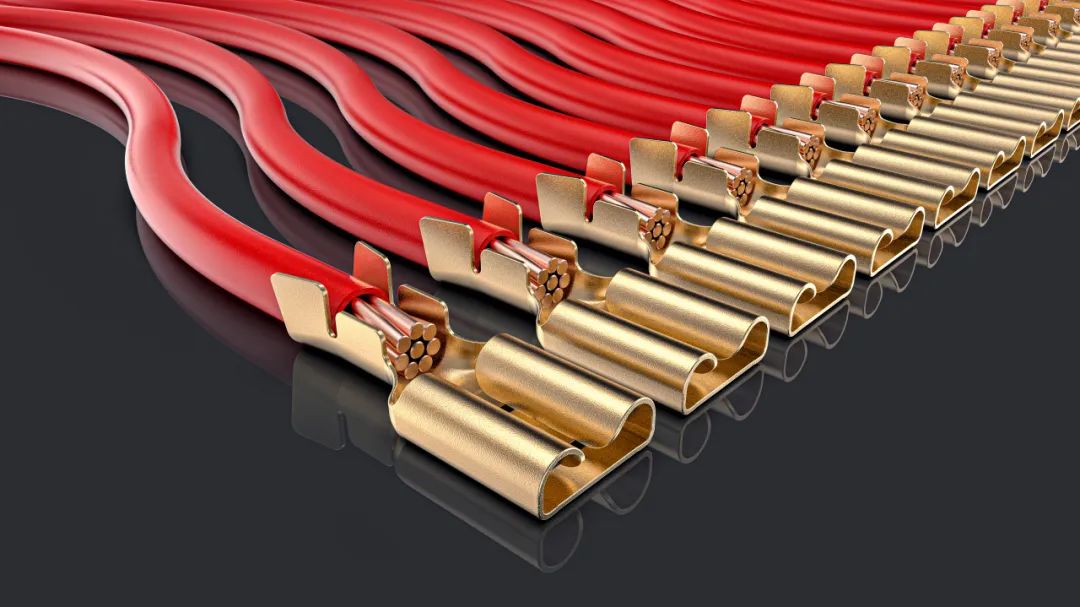
As an electrical connection method, crimping is widely used in the electronics and electrical industries. It tightly combines the metal barrel with the conductor through pressure, ensuring that the terminal or contact end can be firmly connected to the electrical conductor.

To achieve a satisfactory crimp, the selection and combination of conductors, crimp barrels and tools are critical. Conductors need to have good electrical conductivity and mechanical strength to withstand the electrical current and mechanical stress during operation. The crimping barrel needs to have sufficient elasticity and plasticity so that it can be tightly combined with the conductor under pressure to form a strong connection.

When correctly matched tools are used, the joints created have good electrical and mechanical properties. The tool will meet these requirements consistently and reliably, ensuring repeatability with quality cycle control tools.

The resistance of a properly designed and controlled crimp connector should be equal to or less than that of wire of equal cross-section. Specifications specify requirements for millivolt voltage drop at specified currents.

The mechanical strength of a crimp joint and its pullout force (tensile strength) varies with the applied deformation (i.e., the crimp die of the tool determines the crimp configuration and deformation). Therefore, by properly shaping the deformation, high pullout forces can be obtained. The die in the tool determines the complete crimp configuration, which is often an element of the contact and/or connector design.

Some design considerations include:

a) contact type, its size, shape, material and function,

b) the type and size of wires to be accommodated,

c) The type of tool that must be configured.

Wire harness technology connecting unlimited possibilities for the future

Title: Wire harness technology: connecting unlimited possibilities for the future


With the rapid development of technology, the application of wire harnesses in various fields is becoming increasingly widespread, creating many amazing opportunities and innovative solutions for us.


First, let's understand what wire harness technology is. A wire harness is a combination of multiple wires or optical fibers that provide power, signal, and data transmission through insulation protection and external sheathing. They are widely used in automotive, aerospace, electronic equipment, communication networks, and many other industries.


In the automotive industry, the application of wire harness technology is becoming increasingly important. With the rise of electric vehicles, the power system requires more efficient and reliable wiring harnesses to transmit electrical energy and control signals. The new generation of wiring harnesses can better meet the requirements of electric vehicles for high-power transmission, as well as temperature and vibration environment changes. Meanwhile, in the development of autonomous driving technology, a large number of sensors and control devices require precise and reliable data transmission, and wiring harness technology provides necessary connections for these systems.


In the aerospace field, the application of wire harnesses is also crucial. Aircraft systems require highly integrated and reliable power distribution and signal transmission, and the design and manufacturing of wiring harnesses must meet strict aviation standards. In space missions, the wiring harness carries the power supply and data transmission tasks for various systems of the spacecraft, ensuring the successful completion of the mission.


In addition, wire harness technology also has extensive applications in electronic devices and communication networks. For example, internal wiring harnesses in smartphones, tablets, and computers ensure communication and collaborative work among various components. In communication networks, fiber optic harnesses provide ultra fast data transmission capabilities by transmitting a large amount of information.


In the future, with the continuous development of technologies such as the Internet of Things, artificial intelligence, and 5G, wire harness technology will face greater challenges and opportunities. We can foresee that the demand for smaller, more efficient, and sustainable wiring harnesses will continue to emerge. At the same time, the application of new materials and advanced manufacturing technologies will further promote the development of wire harness technology.


In summary, wire harness technology is ubiquitous, bringing us many conveniences and innovative opportunities in our lives. It connects our devices, vehicles, and communication networks, becoming a core component of modern technology. In the future, with the advancement of technology, wire harness technology will continue to drive the development of various industries and connect the infinite possibilities of the future.


Thank you for reading, and I hope this blog can provide you with important information about wire harness technology. If you have any questions or opinions, please feel free to communicate with us in the comments section. Thank you!


5.26 Million Units! China to Become Biggest Car Exporter by 2023

       According to the U.S. "Wall Street Journal" website reported on 10 January, 2023, China's auto exports soared to a record level, is expected to exceed Japan as the world's largest auto exporter. This marks a major change in the global auto industry landscape.

       While China has been recognised as a global leader in electric vehicles, traditional fuel vehicles remain the main driver of growth in the car market, with demand surging in Russia in particular, the report said.

  A report released by the China Passenger Vehicle Market Information Federation (CMPMIF) on 9 September estimated that China's car exports reached 5.26 million units in 2023, adding that this could be nearly one million more than Japan's car exports. According to the latest official data from Japan, the country exported slightly less than 4 million vehicles in the first 11 months of 2023.

China's auto exports


       Chinese carmaker BYD reportedly exported 242,000 units in 2023. The company replaced Tesla as the world's largest producer of all-electric cars in the fourth quarter of 2023. The company is expanding its showrooms across Europe with a view to selling more cars in Europe this year.

  Multinational carmakers with plants in China are also looking to export cars made there, the report said. Volkswagen will export cars made in China overseas for the first time and will export up to 60,000 electric coupes made in China to Europe this year, a spokeswoman said.

  A photo taken on 19 July 2023 shows the Dale Automobile Logistics Base in Liuzhou city, Guangxi province. Some exported new-energy cars are loaded and shipped to major sea ports from here. (AFP)

  Ford said the company's exports from China expanded to 100,000 vehicles in 2023.

  The total wholesale volume of passenger cars in China reached a record high of more than 25.5 million in 2023, according to the China Federation of Passenger Vehicles.

 Biggest Car Exporter by 2023

       Cui Dongshu, secretary-general of the Passenger Car Association, said Russia contributed nearly 800,000 units of the estimated 2 million incremental vehicle exports from China in 2023.

  Automaker Chery became the largest Chinese carmaker in passenger car exports in 2023, fuelled by a boom in exports to Russia, reaching a total of more than 900,000 units, Cui said. (Reference News Network)

800V system challenge Charging pile of charging system

background:


With the gradual launch and popularization of vehicles equipped with 800V system platforms, a series of new challenges in 800V voltage systems compared with traditional 400V voltages are gradually attracting attention. This article will do some analysis and comparison from different systems of the entire vehicle. When we mention 800V now, many people will think of "800V fast charging", "silicon carbide electric drive", etc. What we need to understand is that 800V fast charging or overcharging is just a system in the 800V high-voltage platform. We can divide the charging facility end to the vehicle end into: charging system, battery system, drive electronic control system, auxiliary unit system, etc. The 800V platform requires these dispersed systems to work under the same voltage platform.


800V charging "Basic principles of charging"

 640 (1).png

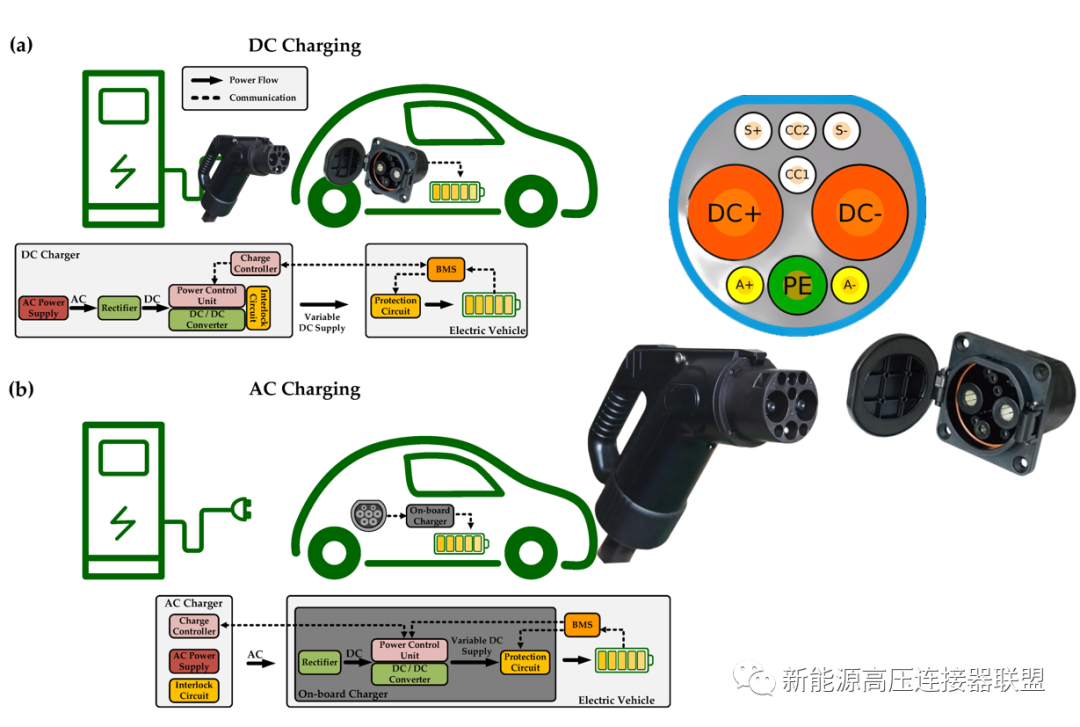
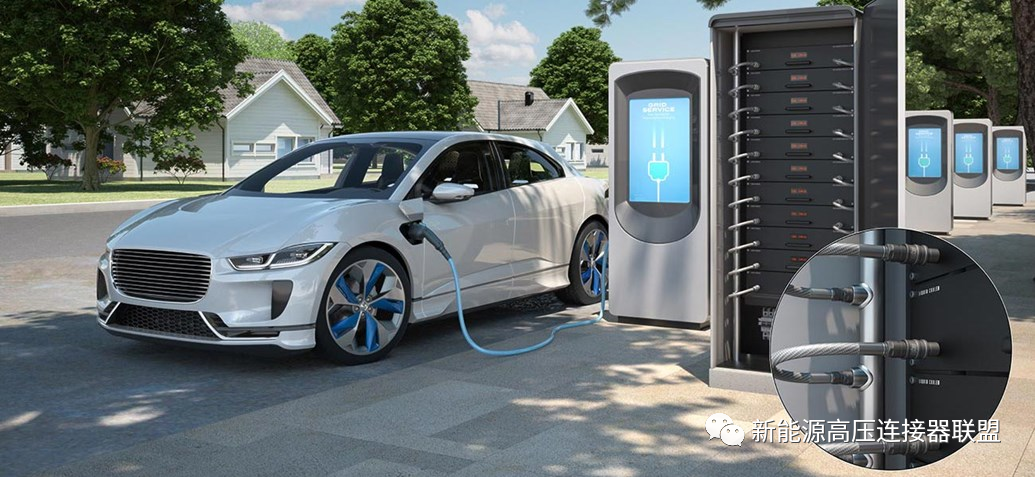
This article mainly talks about some preliminary requirements for 800V charging piles. Lets first look at the charging principle: when the charging gun head is connected to the vehicle, the charging pile will provide low-voltage auxiliary DC power to the vehicle to activate the built-in BMS of the electric vehicle ( Battery management system), after activation, Connect the vehicle terminal to the pile terminal, exchange basic charging parameters such as the maximum charging demand power of the vehicle terminal and the maximum output power of the pile terminal. After the two parties match correctly, the BMS (battery management system) of the vehicle terminal will The charging pile sends power demand information, and the charging pile will adjust its output voltage and current based on this information, and officially start charging the vehicle. This is the basic principle of charging connection, and we need to be familiar with it first.


800V charging: Increase voltage or current

 640 (2).png

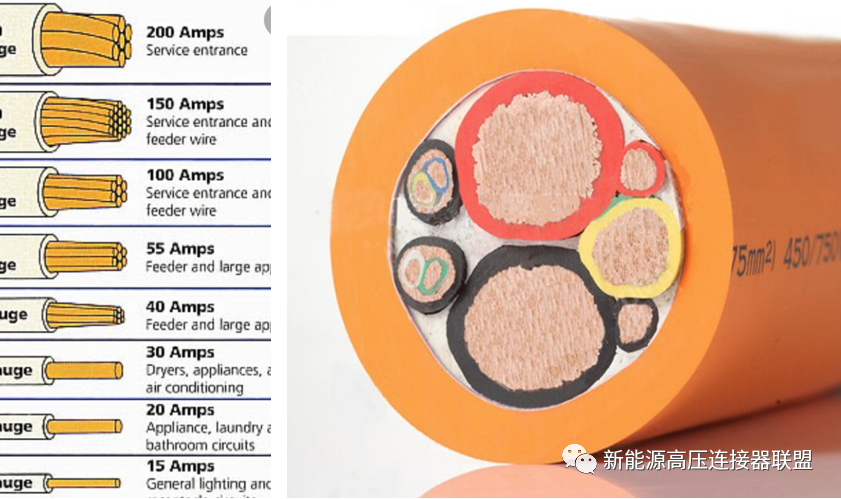
Theoretically, if we want to provide charging power and shorten charging time, there are usually two ways: either you increase the battery or increase the voltage; according to W=Pt, if the charging power is doubled, the charging time will naturally be halved; according to P =UI, if the voltage or current is doubled, the charging power can be doubled. This has been mentioned repeatedly and is considered common sense.If the current is larger, there will be two problems. The larger the current, the larger and heavier the cable required to carry the current will be. This will increase the wire diameter and weight, increase the cost, and make it inconvenient for personnel to work; in addition, according to Q=I²Rt, if The higher the current, the greater the power loss. The loss is reflected in the form of heat, which also increases the pressure on thermal management. Therefore, there is no doubt that it is not advisable to increase the charging power by continuously increasing the current, whether it is charging or driving. Internal drive systems are not advisable.

Compared with high-current fast charging, high-voltage fast charging generates less heat and lower losses. At present, almost mainstream car companies have adopted the route of increasing the voltage. In the case of high-voltage fast charging, theoretically the charging time can be shortened by 50%. The increase in voltage can also easily increase the charging power from 120KW to 480KW.


800V charging: "Thermal effects corresponding to voltage and current"

 640 (3).png

But whether you are increasing the voltage or the current, first of all, as your charging power increases, your heat will appear, but the heat manifestations of increasing the voltage and increasing the current are different, and the faster one will have a greater impact on the battery. A larger one, a relatively slower one but with more obvious thermal concealment and a more obvious upper limit. But the former is preferable.

Since current encounters lower resistance as it passes through the conductor, increasing the voltage reduces the required cable size and dissipates less heat. While increasing the current, the current-carrying cross-sectional area increases resulting in larger outer diameter cables. It is heavier, and the heat will gradually increase as the charging time increases, making it more concealed. This method has greater risks for the battery.

Connectors The key component that makes the digital world seamlessly connected

In today's digital era, connectors, as an indispensable part of electronic equipment, play a key role. Whether it’s smartphones, computers, cars, or industrial automation, connectors are key components that enable seamless connections between these devices. The continuous innovation and development of connectors creates a more convenient, efficient and exciting digital experience for people.


With the continuous advancement of technologies such as 5G communications, Internet of Things, and artificial intelligence, the connector industry is facing new opportunities and challenges. In order to meet the needs of high-speed data transmission and low latency, connector manufacturers are launching various high-speed connectors, such as USB 4.0, Thunderbolt 4, HDMI 2.1, etc. These connectors not only support high-definition video transmission, ultra-fast data transmission and fast charging, but also provide users with a smoother and more realistic multimedia experience.


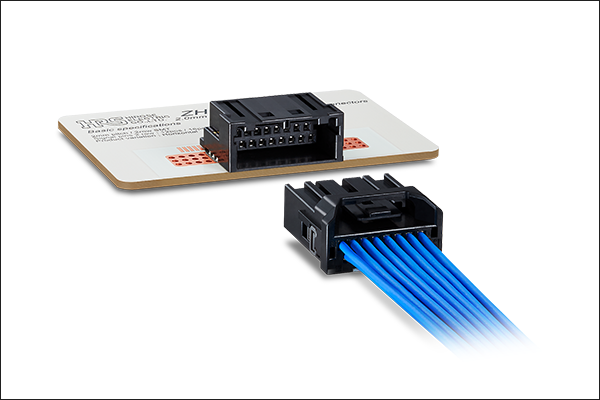
In addition to high-speed connectors, the connector industry is constantly exploring solutions to the challenges of smaller size and higher power. As the Internet of Things becomes more popular, more and more devices need to be connected within a limited space. Therefore, the demand for micro connectors is growing day by day. These small and exquisite connectors not only meet the compact design requirements of the equipment, but also provide stable and reliable connection performance.


At the same time, the rise of electric vehicles has also brought new opportunities to the connector industry. Electric vehicles require a large number of connectors to connect battery systems, charging systems, drive systems, etc. To meet the high-power and high-reliability connectivity requirements of electric vehicles, connector manufacturers are developing stronger and more durable connector solutions. These connectors not only ensure the safety and performance of electric vehicles but also accelerate their adoption.


In the connector industry, sustainability has also become an important topic. Connector manufacturers are working hard to reduce the use of materials and improve production processes to reduce their impact on the environment. In addition, they are working to develop recyclable and reusable connectors to reduce the generation of electronic waste. By taking these sustainable initiatives, the connector industry can not only meet market demands but also contribute to protecting the global environment.


In general, connectors, as an indispensable key component in the digital era, are constantly innovating and developing. High-speed connectors, micro-connectors, electric vehicle connectors and sustainable connector solutions all bring people a more convenient, efficient and reliable digital experience. The connector industry will continue to actively respond to new technological challenges and promote seamless connectivity in the digital world.

Driving the Future The Significance of Automotive Connectors in Vehicle Technology

In the ever-evolving landscape of automotive technology, one often-overlooked yet essential component stands out – automotive connectors. These small, intricate devices play a pivotal role in the seamless integration of advanced electronics, making them the unsung heroes behind the innovations driving our vehicles into the future.

Connecting the Dots: What Are Automotive Connectors?

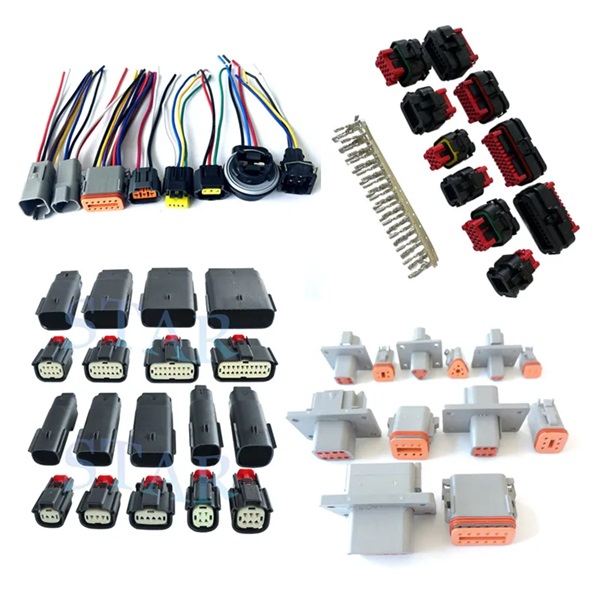
Automotive connectors are the silent enablers of connectivity within vehicles. Serving as the bridge between various electronic components, these connectors facilitate the transfer of signals, power, and data throughout the vehicle's intricate network. From engine control units to infotainment systems, connectors are the unseen conductors ensuring the harmonious operation of our automobiles.

Versatility in Design: Tailoring Connectors to Automotive Needs

The world of automotive connectors is diverse, with a myriad of designs catering to specific applications. From traditional wire-to-wire connectors to more advanced fiber-optic connectors, each type is carefully engineered to meet the demands of modern vehicle architectures. As automotive systems become more complex, connectors play a crucial role in ensuring compatibility and reliability.

Materials and Durability: The Backbone of Connectivity

The choice of materials in automotive connector construction is a critical factor in ensuring durability and performance. Manufacturers often opt for materials such as rugged plastics, corrosion-resistant alloys, and gold-plated contacts to withstand the harsh conditions within an automotive environment. These materials contribute to the connectors' ability to endure temperature variations, vibrations, and exposure to elements.

Safety First: The Role of Connectors in Automotive Safety Systems

Connectors in automotive systems go beyond facilitating communication; they are integral to safety features. In modern vehicles, connectors are vital components in airbag systems, anti-lock braking systems (ABS), and advanced driver-assistance systems (ADAS). The reliability of connectors is paramount in ensuring the seamless operation of these safety-critical systems.

Innovation Driven by Connectivity: The Rise of Smart Connectors

As vehicles become smarter and more connected, automotive connectors are evolving to meet new challenges. Smart connectors equipped with sensor technologies, data transmission capabilities, and self-diagnostic features are becoming increasingly prevalent. These innovations contribute to the efficiency, diagnostics, and overall intelligence of modern vehicles.

Future Outlook: Automotive Connectors in the Era of Electric and Autonomous Vehicles

With the rise of electric and autonomous vehicles, the role of automotive connectors becomes even more crucial. High-voltage connectors for electric powertrains and complex data connectors for autonomous systems are at the forefront of innovation. The reliability and precision of connectors will play a pivotal role in shaping the success of these transformative technologies.

Conclusion: Driving Innovation Through Connectivity

In conclusion, automotive connectors are the silent architects of the automotive revolution. As vehicles continue to embrace advanced technologies, the significance of connectors in ensuring seamless communication and functionality cannot be overstated. The road ahead is paved with innovations, and at the heart of it all, automotive connectors will continue to drive the evolution of our vehicles into the next era of mobility.

Embracing the Future The Rise of Renewable Energy

Introduction:

In today's rapidly changing world, the demand for clean and sustainable energy solutions has never been greater. With the threat of climate change looming large and the finite nature of fossil fuels becoming increasingly apparent, the transition to renewable energy sources has emerged as a crucial imperative. In this blog post, we'll explore the transformative potential of renewable energy and why it's essential for shaping a brighter and more sustainable future for generations to come.

The Promise of Renewable Energy:

Renewable energy, derived from natural resources such as sunlight, wind, water, and biomass, offers a host of compelling benefits. Unlike fossil fuels, which emit harmful greenhouse gases and contribute to climate change, renewable energy sources produce little to no emissions during operation. This makes them a crucial tool in the fight against global warming and air pollution, helping to safeguard our planet's delicate ecosystems and public health.

Moreover, renewable energy is inherently abundant and inexhaustible, unlike finite fossil fuel reserves that are subject to depletion. With advancements in technology and infrastructure, we have the opportunity to harness the vast potential of renewable energy resources on a scale never before imagined. From solar panels blanketing rooftops to wind turbines dotting the landscape, the possibilities for generating clean, renewable energy are virtually limitless.

The Role of Renewable Energy in Economic Development:

In addition to its environmental benefits, renewable energy also holds tremendous economic promise. The transition to renewable energy creates jobs, stimulates economic growth, and enhances energy security. As the renewable energy industry continues to expand, it presents vast opportunities for innovation, entrepreneurship, and investment.

Countries that invest in renewable energy infrastructure stand to gain a competitive edge in the global marketplace, positioning themselves as leaders in the transition to a low-carbon economy. By embracing renewable energy technologies, businesses can reduce their operating costs, increase their energy independence, and enhance their sustainability credentials, all while contributing to a cleaner and more resilient energy future.

Challenges and Opportunities:

Despite the many benefits of renewable energy, significant challenges remain to be addressed. These include intermittency and grid integration issues, the need for investment in infrastructure and storage technologies, and overcoming political and regulatory barriers. However, these challenges also present opportunities for innovation and collaboration, driving advancements in renewable energy technology and policy.

Conclusion:

In conclusion, the rise of renewable energy represents a paradigm shift in how we generate, distribute, and consume energy. By embracing renewable energy sources such as solar, wind, and hydroelectric power, we can reduce our reliance on fossil fuels, mitigate the impacts of climate change, and build a more sustainable and prosperous future for all. The time to act is now – together, we can harness the power of renewable energy to create a cleaner, greener, and more resilient world for generations to come.

Exploring Trends in New Energy for 2024

Introduction: As the world marches towards a more sustainable future, the energy landscape continues to evolve rapidly. The year 2024 promises to be pivotal in the realm of new energy, with emerging trends reshaping the way we produce, distribute, and consume power. In this blog post, we'll delve into some of the key trends expected to define the new energy sector in 2024.

1. Accelerated Growth of Renewable Energy: Renewable energy sources such as solar, wind, and hydroelectric power are expected to experience accelerated growth in 2024. Advances in technology, coupled with declining costs, are making renewables increasingly competitive with fossil fuels. Government incentives and ambitious clean energy targets further drive investment in renewable infrastructure, paving the way for a cleaner and more sustainable energy future.

2. Energy Storage Solutions: Energy storage technologies are poised to play a pivotal role in the integration of renewable energy into the grid. In 2024, we anticipate significant advancements in battery storage systems, including improved efficiency, increased capacity, and longer lifespans. These developments will enhance the reliability and stability of renewable energy sources, enabling smoother integration into existing power grids while supporting the transition to a decentralized energy system.

3. Electrification of Transportation: The electrification of transportation is set to gain momentum in 2024, with electric vehicles (EVs) becoming increasingly mainstream. Technological advancements, coupled with growing environmental awareness and stricter emissions regulations, are driving the adoption of EVs across the globe. Moreover, the expansion of charging infrastructure and the introduction of next-generation batteries are addressing concerns regarding range anxiety, further bolstering the appeal of electric mobility.

4. Decentralization and Microgrids: The decentralization of energy generation and distribution will continue to gather pace in 2024, fueled by advancements in distributed energy resources (DERs) and the proliferation of microgrid solutions. Microgrids, powered by a combination of renewable energy sources and energy storage systems, offer resilience, reliability, and greater energy independence. As communities and businesses seek to enhance their energy security and resilience in the face of climate change and grid disruptions, microgrids are emerging as a viable solution.

5. Hydrogen as a Clean Energy Carrier: Hydrogen is poised to emerge as a key player in the transition to a low-carbon economy. In 2024, we anticipate significant developments in hydrogen production, storage, and utilization technologies. Green hydrogen, produced through electrolysis powered by renewable energy, holds particular promise as a clean energy carrier for sectors such as industry, transportation, and heating. With growing interest and investment in hydrogen infrastructure, 2024 could mark a turning point in the adoption of this versatile energy vector.

Conclusion: The year 2024 is poised to witness significant advancements and transformations in the field of new energy. From the continued expansion of renewable energy to the electrification of transportation and the rise of energy storage solutions, the momentum towards a cleaner, more sustainable energy future is palpable. As stakeholders across industries and governments worldwide embrace these trends, the journey towards a carbon-neutral world accelerates, offering promising opportunities for innovation, investment, and positive environmental impact.

Powering the Future Exploring the Dynamics of the Renewable Energy Industry

Introduction:

The global shift towards sustainable and clean energy solutions has propelled the new energy industry into the spotlight. With climate change concerns and a growing appetite for eco-friendly alternatives, the renewable energy sector has become a driving force in reshaping the world's energy landscape. In this blog post, we delve into the key trends, innovations, and challenges within the dynamic realm of new energy.

  1. Rising Trends in Renewable Energy:

    As nations strive to reduce their carbon footprint, renewable energy sources such as solar, wind, hydro, and geothermal are gaining unprecedented traction. Solar power, in particular, has witnessed remarkable growth, with advancements in photovoltaic technology making it increasingly cost-effective. Wind energy projects, both onshore and offshore, continue to be a major contributor to the global renewable energy mix.

  2. Innovations Driving Change:

    The new energy industry is characterized by a continuous stream of innovations. Energy storage technologies, including advanced battery systems, are playing a pivotal role in addressing intermittency issues associated with renewable sources. Smart grids, machine learning, and artificial intelligence are being integrated to optimize energy distribution, consumption, and grid management.

  3. The Role of Electric Vehicles (EVs):

    Electric vehicles have become synonymous with the new energy era. The automotive industry is witnessing a rapid transition towards electric mobility, driven by advancements in battery technology, government incentives, and increased consumer awareness. The integration of EVs with renewable energy sources is creating a holistic approach towards sustainable transportation.

  4. Challenges and Solutions:

    Despite the positive momentum, the new energy industry faces its fair share of challenges. Intermittency of renewable sources, storage capacity limitations, and the need for extensive infrastructure upgrades are among the key hurdles. However, ongoing research and development efforts are focused on overcoming these challenges through innovations in energy storage, grid flexibility, and system optimization.

  5. Global Initiatives and Policies:

    Governments worldwide are recognizing the importance of fostering a conducive environment for the growth of renewable energy. Policies promoting clean energy adoption, carbon pricing mechanisms, and international collaborations are shaping the regulatory landscape. The global community's commitment to achieving carbon neutrality is a driving force behind these initiatives.

  6. Investment Landscape:

    The new energy sector is attracting substantial investments as financial institutions and private investors acknowledge the long-term potential of clean energy. Green bonds, venture capital funding, and strategic partnerships are fueling the development of innovative projects and technologies.

Conclusion:

The new energy industry stands at the forefront of the global transition towards a sustainable future. With technological advancements, supportive policies, and increasing public awareness, the momentum behind renewable energy continues to build. As we navigate the complexities and challenges of this evolving landscape, the new energy sector remains a beacon of hope, illuminating the path towards a cleaner, greener, and more sustainable world.

Revealing the Importance of Wire Harnesses Making Electronic Devices Infinite Possibilities


Introduction: Driven by modern technology, the electronic devices around us, such as computers, mobile phones, cars, etc., are becoming more and more intelligent and convenient. However, we rarely realize the existence and role of one of the important components, the wire harness. Today, I will take you to reveal the importance of wiring harness and its key role in electronic equipment.


Part One: What is a Wiring Harness?

A wiring harness, as the name suggests, is an assembly of multiple wires and connectors used to connect discrete circuits to form a complete electrical system. They play a key role in conducting electricity and transmitting signals, allowing components to communicate and cooperate with each other.


Part 2: The importance of wiring harnesses

1. Integration and Management

Wire harnesses make the electrical system of electronic equipment more concise and organized by integrating scattered wires and connectors. They are precisely designed and manufactured to fit the specific needs of the device and ensure correct current and signal transfer. The existence of wiring harnesses makes the manufacturing and repair of equipment more efficient and reliable.


2. Protection and durability

The wire harness not only protects the wires from damage, but also effectively prevents problems such as electromagnetic interference and circuit short circuits. They are usually made of high-quality materials and have properties such as high temperature resistance, corrosion resistance and tensile resistance, ensuring reliable operation of electrical systems in harsh environments.


3. High-speed transmission and performance optimization

As technology advances, electronic devices require higher speeds and larger bandwidths to transmit data and signals. Wiring harnesses help improve transmission speed and performance stability by optimizing the layout, length, and shielding of wires. This is especially important for large data centers, high-speed communications and other fields.


Part 3: Trends in wire harness development

1. Pursuing miniaturization and flexibility

As electronic devices become increasingly miniaturized, wiring harnesses need to become more compact and flexible to fit into tight spaces and complex layouts. Flexible wire harnesses are becoming more and more widely used. Their ability to bend and twist makes the design and assembly of equipment easier.


2. Intelligent and autonomous

With the rise of the Internet of Things and artificial intelligence, wiring harnesses have also begun to incorporate the concepts of intelligence and autonomy. For example, some wiring harnesses have self-diagnostic and self-healing functions, which can detect and repair problems in the wires, thereby improving equipment reliability and maintenance efficiency.


3. Environmental protection and sustainability

As attention to environmental protection and sustainable development increases, the manufacturing of wire harnesses pays more and more attention to the principles of environmental protection and recyclability. The use of degradable materials, energy-saving processes and recycling technologies helps reduce resource consumption and waste emissions during the production process.


Conclusion: Behind the electronic equipment, there is a component that silently plays a key role - the wiring harness. They integrate, protect and optimize electrical systems so that equipment performance and reliability are guaranteed. With the continuous advancement of technology, wiring harnesses are also constantly evolving and innovating. Whether in small devices or large systems, wire harnesses will continue to support the development and innovation of electronic products. Let us pay more attention and appreciation to the wiring harness, a seemingly ordinary but indispensable component!